
F1 is booming but salaries are being squeezed and 'people are complaining'
F1 introduced a cost cap in 2021

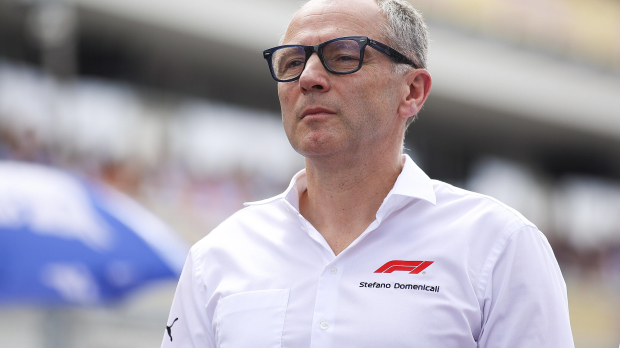
F1 may be past the initial popularity boom brought on by Netflix sensation Drive to Survive, but the sport's commercial rights owners are still thriving.
Liberty Media acquired F1 in 2017 and even with the latest set of regulations proving unpopular, the company saw F1 revenue soar to $617million during the first quarter of 2026, a 53 per cent increase compared to this stage in 2025.
But despite the success and financial opportunities growing within the pinnacle of motorsport, those working hard to keep it running aren't always appropriately compensated, and some insiders of the sport have put that down to the introduction of the cost cap.
F1 saw a cost cap come into play in 2021, with all teams required to operate under it in order to, 'help deliver a more competitive championship and ensure the long-term financial stability of all teams.'
Prior to the implementation of this regulation, spending was unregulated, meaning the richest teams could afford to snap up the best talent.
Though the driver salaries are exempt from the cost cap, Formula 1 is a team sport and this often gave some constructors' a significant advantage over others, but apparently that has all changed in recent years.
REVEALED: Who are F1's richest team?
Rob Smedley reveals F1 cost-cap 'dichotomy'
In a recent episode of the High Performance Racing podcast, former team principal Otmar Szafnauer, ex-Ferrari race engineer Rob Smedley and co-host Jake Humphrey discussed the current state of remuneration in the sport, noting how the cost-cap had shaken up the paddock financially.
Asked by a fan of the podcast what top engineers, team principles, and mechanics can actually expect to earn in F1, Smedley earnestly replied: "Very little."
Delving into the topic on a deeper level, Felipe Massa's ex-engineer continued: "I don't know is the answer, because I don't know what everybody in the pit lane gets paid, because why would I? But that's probably dodging the question a little bit. What we can say, is that the compensation in Formula 1 is very high and it used to be even higher and then the cost cap came in."
Former Alpine team principal Szafnauer then weighed in, saying: "The cost cap came in. So now the top three, really high because they're exempt, and everyone else is complaining."
Smedley replied: "Exactly right. So, you went from period pre-cost cap where most people and certainly your top technical people, management people, they were remunerated very well like very highly relative to the same position. So if you took say a mechanical engineer in the outside world to a mechanical engineer in Formula 1 that was able to bring something to the team, you would be remunerated very, very highly, multiples of what you would get in the outside world.
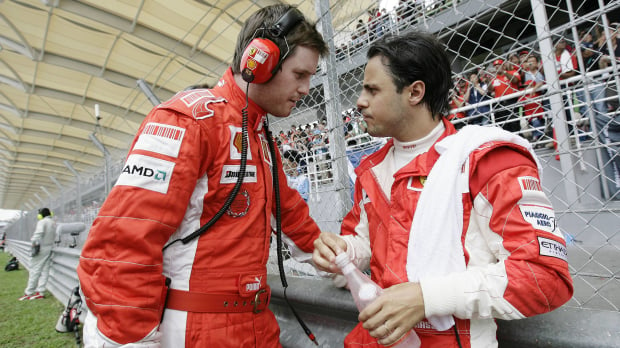
"Then, as Otmar said, the cost cap came in and that meant that everybody got squeezed. Now, there's a certain number of people, it's two drivers and then top three people in the team, they're exempt. Now, what's happened is there's a really funny dichotomy... you've got this these exempt people.
"And the teams, not all of them, but a lot of the teams are now actually profitable because of the cost cap. So you can only spend a certain amount of money on your technical area, but the teams are now commercially worth a lot of money because of the sponsorship, the TV money...so the bottom line is positive which means that your top three, plus the drivers, that's going up all the time.
"So you can get your top three who are now remunerated higher than they would have been even five years ago."
F1 HEADLINES: Hamilton moves past Ferrari pain as contract extension announced




 Grand Prix of Australia 2026
  Grand Prix of China 2026
  Grand Prix of Japan 2026
  Saudi Arabian Grand Prix 2026
  Miami Grand Prix 2026
  Grand Prix du Canada 2026
  Grand Prix De Monaco 2026
  Gran Premio de Barcelona-Catalunya 2026
  Grand Prix of Austria 2026
  Grand Prix of Belgium 2026
  Grand Prix of Hungary 2026
  Grand Prix of Italy 2026
  Grand Prix of Azerbaijan 2026
  Grand Prix of Bahrain 2026
  Grand Prix of Singapore 2026
  Gran Premio de la Ciudad de Mexico 2026
  Grande Prêmio de São Paulo 2026
  Qatar Grand Prix 2026
  Grand Prix of Abu Dhabi 2026