


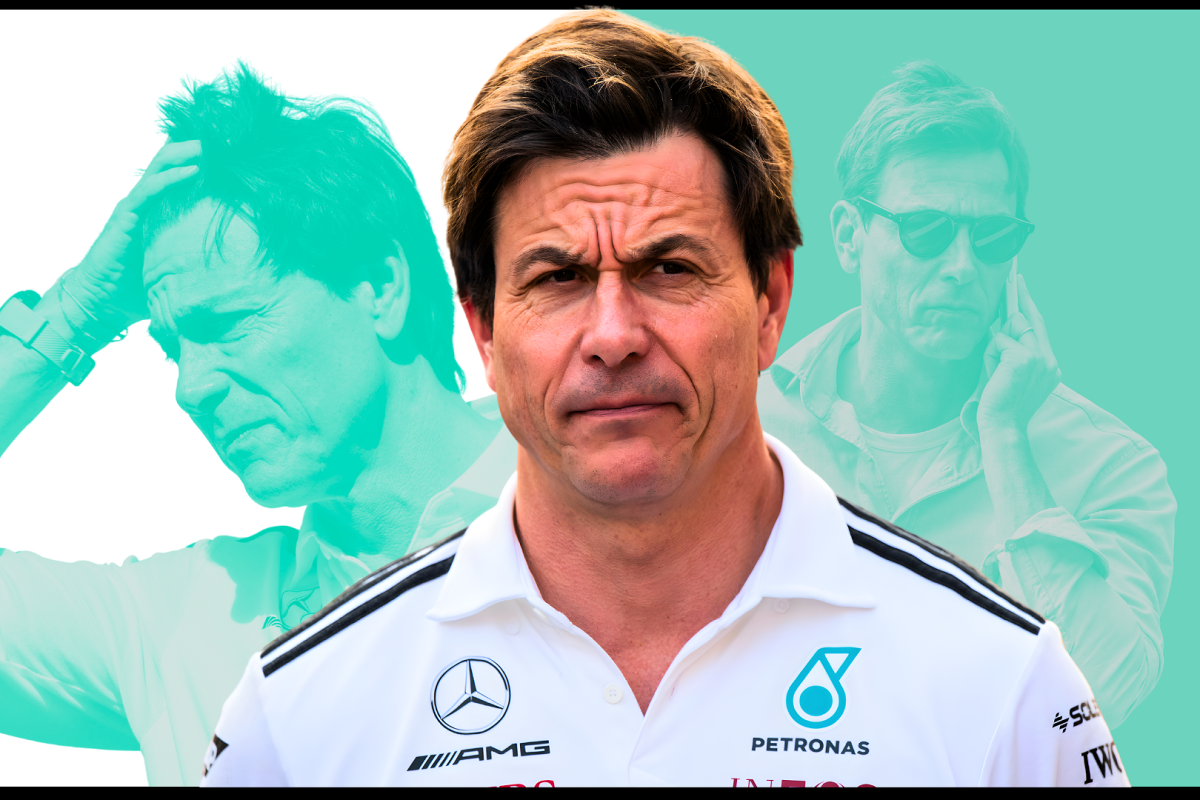

Mercedes at risk of F1 'punishment' after FIA backtrack over 2026 change
There are changes sweeping into the regulations from next year

An F1 insider has revealed the complex thought process behind the FIA's recent rule tweaks, suggesting that the impact on Mercedes would have been thought through.
Mercedes are currently the dominant outfit on the 2026 grid, and lead the constructors' championship by 70 points.
Small rule tweaks have been brought in by the FIA for the remainder of the 2026 season, but more radical changes are scheduled for 2027.
The hybrid power units will once again be altered to row back from the 2026 updates which tripled the emphasis on electrical energy, ensuring that there will be a 60-40 split between the internal combustion engine and the battery, rather than the 50-50 split that was scheduled for 2026.
It means that we should see less lift and coast methods in action in 2027, with the drivers not having as much of a responsibility to manage their batteries.
But it might also alter the competitive order in the sport. Mercedes have built the dominant power unit in 2026, while the likes of Honda and Ferrari are lagging behind, but the altering of the rules could allow a complete reset once more.
Sky Sports F1 presenter Naomi Schiff has now said that the FIA would have considered the impact that they were having on Mercedes when changing the rules.
Speaking on the Up to Speed podcast, Schiff said: "There are so many different factors to this, right? There's a political aspect of obviously Mercedes is out in the front, happy with their engines, happy with their performance, and I think some would say, 'Would this be punishing them in some way?' Because this could have been their era of domination yet again, but obviously there's a lot that's going to change,” she said.
"This battery is just not efficient enough, and so the drivers are having to manage and manage and manage and ultimately, if you do decide to go 60:40, there will be less battery management because the battery will last better. It'd be more efficient.
"But this means you need to burn more fuel, and more fuel means, for some, maybe not all, we don't know how lean the teams have gone with their fuel cells, but for some teams, it will mean that they need a new fuel cell. And a new fuel cell potentially means dramatic changes to the chassis.
"Teams will have already got pretty far into their designs for next year and almost in the process of building a car for the wind tunnel, which I think the deadline is usually around June for teams to get that car into a wind tunnel. So, do they just go back to the drawing board now? How do they stick to timelines?"
READ MORE: Aston Martin set for performance 'quantum leap' at Canadian GP
Will Mercedes continue to dominate 2026 season?
Mercedes have won every grand prix so far in 2026, and their drivers look set for a drivers' championship battle.
Kimi Antonelli currently leads George Russell by 20 points having won the last three grands prix consecutively, but there's every suggestion that there are plenty of twists and turns between the two drivers left to come.
It doesn't look at this stage as though any other drivers from any other teams will be able to get themselves into that fight, although a change regarding Mercedes' power unit is coming up from the Monaco Grand Prix next month.
Rules now state that before May 31, geometric compression ratios will only be measured at ambient temperatures, but from June 1, 2026, they will also be measured when the engine is at 130 degrees Celsius.
This means that Mercedes will need to have got rid of a clever trick within their power unit design from the Monaco GP onwards.
The team had used a design quirk which meant that the geometric compression ratio within the power unit could be at the allowed 16:1 when the car was stationary, but then increase to the previously allowed 18:1 when moving, with the previous FIA regulations stating this would only be measured when the car was stationary and at an ambient temperature.
This change in the rules could be a lifeline for the likes of Ferrari and Red Bull as they look to catch up to Mercedes.
F1 HEADLINES: Red Bull get ‘serious’ about Verstappen exit as Nurburgring 24 Hours promotion confirmed
Related
More F1 news
Latest F1 news



Recommended by the editors
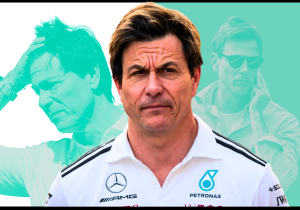 Mercedes
Mercedes at risk of F1 'punishment' after FIA backtrack over 2026 change
 Latest F1 News
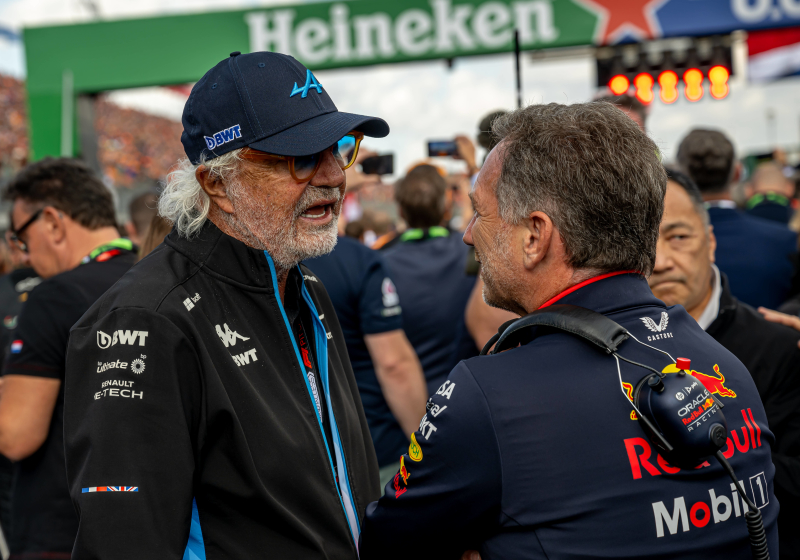
Flavio Briatore 'set for F1 exit' as Christian Horner and BYD plot team takeover
 Max Verstappen
Gianpiero Lambiase reveals 'intimidating' Max Verstappen meeting
 Nurburgring 24 Hours
F1 will have final say on Max Verstappen Nurburgring return







Races
-
 Grand Prix of Australia 2026
-
 Grand Prix of China 2026
-
 Grand Prix of Japan 2026
-
 Grand Prix of Bahrain 2026
-
 Saudi Arabian Grand Prix 2026
-
 Miami Grand Prix 2026
-
 Grand Prix du Canada 2026
-
 Grand Prix De Monaco 2026
-
 Gran Premio de Barcelona-Catalunya 2026
-
 Grand Prix of Austria 2026
-
 Grand Prix of Great Britain 2026
-
 Grand Prix of Belgium 2026
-
 Grand Prix of Hungary 2026
-
 Dutch Grand Prix 2026
-
 Grand Prix of Italy 2026
-
Gran Premio de España 2026
-
 Grand Prix of Azerbaijan 2026
-
 Grand Prix of Singapore 2026
-
Grand Prix of the United States 2026
-
 Gran Premio de la Ciudad de Mexico 2026
-
 Grande Prêmio de São Paulo 2026
-
Las Vegas Grand Prix 2026
-
 Qatar Grand Prix 2026
-
 Grand Prix of Abu Dhabi 2026
Follow us on your favorite social media channel
Editorial & corporate information

Avenue HQ
10–12 East Parade
Leeds
LS1 2BH
United Kingdom Regional correspondence
View contact page