



Industry Watch: Sportsbook Promotions Continue to Shift in 2026
The era of the unrestricted $1,000 "free bet" is drawing to a close. As the sports betting landscape matures, major operators are aggressively moving away from hyper-expensive, generic acquisition models in favor of precise, behavioral retention. Early in legalized sports betting, books competed on the size of their welcome bonuses. This approach to user acquisition triggered massive promotional spending wars, denting short-term profitability.
A stark shift has taken hold. Driven by stricter regulatory scrutiny and a pressing demand from investors for sustainable margins, the industry is recalibrating. The priority has pivoted from simply getting players through the door to keeping them engaged over months and years. Rolling, retention-focused offers have replaced the one-time headline bonus as the industry's main tool, and the current Draft Kings promo on Sportsline shows what that shift looks like in practice.
The main driver is the replacement of static sign-up incentives with event-driven promotions. Rather than blanketing every user with the same offer, modern platforms leverage machine learning to deliver tailored incentives based on individual wagering history. Profit-boost tokens, personalized parlays, and gamified loyalty programs such as Fanatics’ ‘FanCash’ bet-matching ecosystem have largely replaced the traditional ‘risk-free’ first bet. This structural change helps operators insulate themselves against "bonus hunters" who deposit, claim a promotion, and immediately churn.
Furthermore, promotions are increasingly tied to the live, in-play experience. By incentivizing micro-betting, wagers placed on granular, near-instant outcomes like the next possession in a game or a single lap times can stimulate high transaction frequencies while reducing their reliance on upfront marketing outlays. The Latest Sportsbook Shake-Up
The hierarchy is no longer defined strictly by who has the deepest pockets, but by who controls the most sophisticated data feeds. The baseline infrastructure required to run a globally competitive betting platform has fundamentally elevated.
Legacy sportsbooks that relied on third-party, high-latency odds providers are finding themselves squeezed out by operators implementing edge-computing architectures and direct, official league partnerships. To survive under the current market conditions, sportsbooks are integrating advanced tracking and analytics directly into their user interfaces. This has fueled a wave of consolidation and also alliances, reshaping the way digital media, sports leagues, and betting operators interact.
The modern bettor demands an immersive ecosystem. Instead of clicking through buried menus to build a bet, users are being treated to highly streamlined, content-led betting journeys where real-time stats and tailored suggestions are pushed directly to their feeds.
The Formula 1 Proving Ground
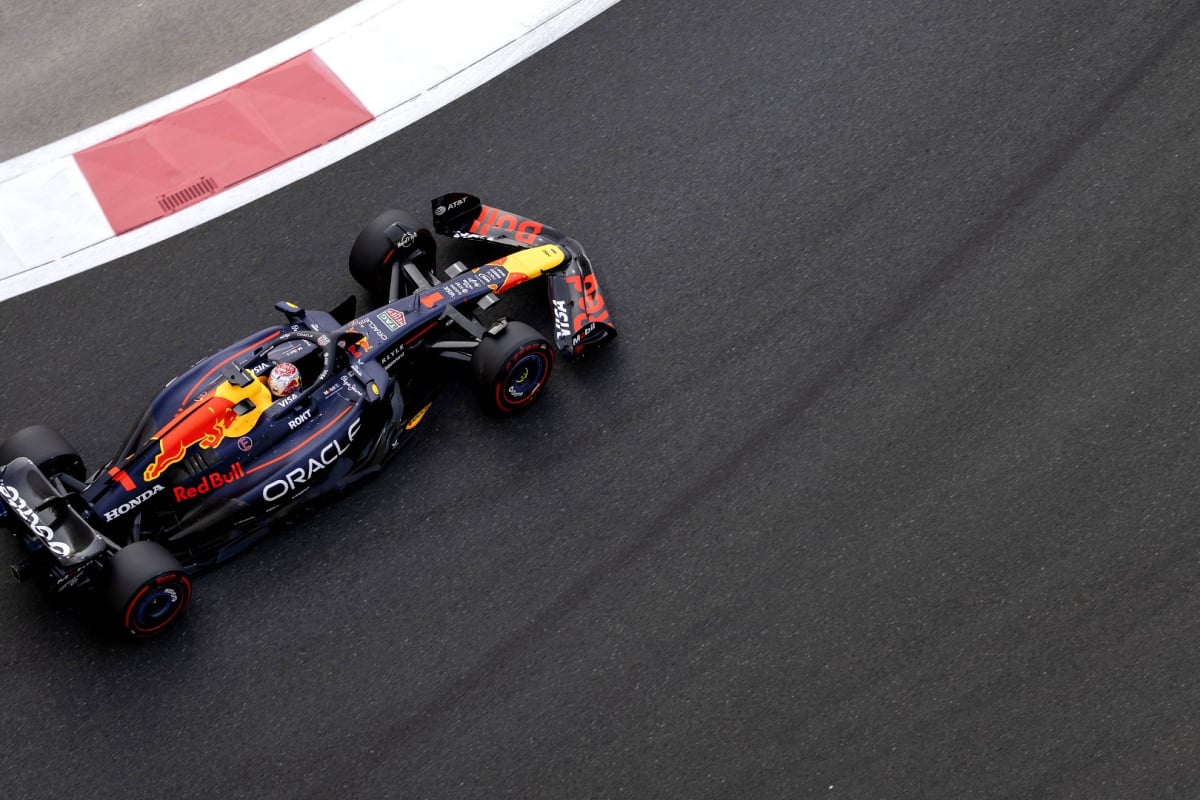
Nowhere is this multi-layered shake-up more visible than in the rapid commercial evolution of Formula 1 betting. For years, motorsport was a secondary market for most mainstream sportsbooks, primarily because standard pre-race wagering offered limited engagement over a multi-hour event.
A wave of landmark partnerships has shattered that status quo. Formula 1’s sweeping global deal with Betway, alongside FanDuel’s designation as an Official Betting Operator in North America, has completely transformed motorsport into a critical proving ground for modern live-data integration.
F1 represents an intricate web of real-time variables: tire degradation, fuel, changing track temperatures, and precise pit-stop windows. Through direct data collaborations with suppliers like Alt Sports Data, sportsbooks can now translate millions of live telemetry points into instant, interactive in-play markets.
Promotions have shifted right along with this technology. Instead of standard deposit matches, fans watching a Grand Prix are targeted with contextual, real-time props: an odds boost on whether a team pulls off a sub-2.5-second pit stop, or an live "insurance" token that triggers if a sudden Safety Car disrupts a driver's tire strategy.
By embedding live odds directly into official F1 digital platforms and broadcasting ecosystems, operators are turning the complexity of race engineering into intuitive, bite-sized engagement opportunities. It is a flawless execution of the industry's broader playbook: utilizing elite, high-speed data to build long-term retention rather than burning capital on generic entry bonuses.
Related
More F1 news
Latest F1 news

Recommended by the editors
 F1 Silly Season
F1 Silly Season: Max Verstappen, McLaren and every driver move tracked
 Ferrari vs Mercedes
The $215m F1 arms race that could give Lewis Hamilton world title number 8
 Belgian Grand Prix
Alpine F1 team to pay tribute to racing star after fatal crash
 Max Verstappen
The sweet promise F1 champion Max Verstappen kept for his sister will melt your heart







Races
-
 Grand Prix of Australia 2026
-
 Grand Prix of China 2026
-
 Grand Prix of Japan 2026
-
 Grand Prix of Bahrain 2026
-
 Saudi Arabian Grand Prix 2026
-
 Miami Grand Prix 2026
-
 Grand Prix du Canada 2026
-
 Grand Prix De Monaco 2026
-
 Gran Premio de Barcelona-Catalunya 2026
-
 Grand Prix of Austria 2026
-
 Grand Prix of Great Britain 2026
-
 Grand Prix of Belgium 2026
-
 Grand Prix of Hungary 2026
-
 Dutch Grand Prix 2026
-
 Grand Prix of Italy 2026
-
Gran Premio de España 2026
-
 Grand Prix of Azerbaijan 2026
-
 Grand Prix of Singapore 2026
-
Grand Prix of the United States 2026
-
 Gran Premio de la Ciudad de Mexico 2026
-
 Grande Prêmio de São Paulo 2026
-
Las Vegas Grand Prix 2026
-
 Qatar Grand Prix 2026
-
 Grand Prix of Abu Dhabi 2026
Follow us on your favorite social media channel
Editorial & corporate information

Avenue HQ
10–12 East Parade
Leeds
LS1 2BH
United Kingdom Regional correspondence
View contact page