



How Weather Shapes Formula 1 Strategy and Race Outcomes
Formula 1’s relationship with the weather is a defining feature that routinely upends established expectations on the grid. Sudden rain, temperature swings, and evolving track conditions often shift race strategies and fuel unexpected outcomes. Understanding how weather impacts every aspect of a Grand Prix shows why these variables can become crucial competitive equalisers.
Weather in Formula 1 demands continuous adaptation, shaping everything from tyre selection to pit stop planning, while testing the responsiveness of both drivers and teams. Strategic calls, made based on up-to-the-minute data, often yield significant results when forecasts are unpredictable. Even expert predictions can be challenged by a rapid change in wind speed or an unexpected drizzle, meaning that racing odds and positions can change dramatically. As the season progresses, understanding how weather dictates race day decisions is essential to appreciating the tactical complexity behind F1’s headline drama.
How unpredictability gives rise to new opportunities
Weather conditions act as powerful equalisers in Formula 1, often reducing or eliminating the advantages of the fastest cars. A rain shower or a sudden drop in temperature can make previously dominant teams vulnerable to challengers and alter the competitive landscape within a matter of laps.
Teams spend hours refining their pre-race simulations, but no strategy is immune to a weather-induced shakeup. In mixed or changing conditions, it is common to see unfamiliar names battling near the front, as bold decisions and adaptability take precedence over outright speed.
Why timing decisions can make or break races
Teams rely on various weather models to guide their planning, with forecast data such as track temperature, radar, and sector times monitored constantly throughout the week. The anticipated likelihood and timing of rain play a vital role in shaping both practice setups and race strategies.
Pivotal moments when weather information becomes most critical include the formation lap, the opening laps after the race start, and the windows in which pit stops are likely. These periods can force split-second judgments, where making or delaying a stop in response to a rain shower can decisively alter a team’s prospects. Racing odds often shift in response to such events.
The tyre dilemma in rapidly changing conditions
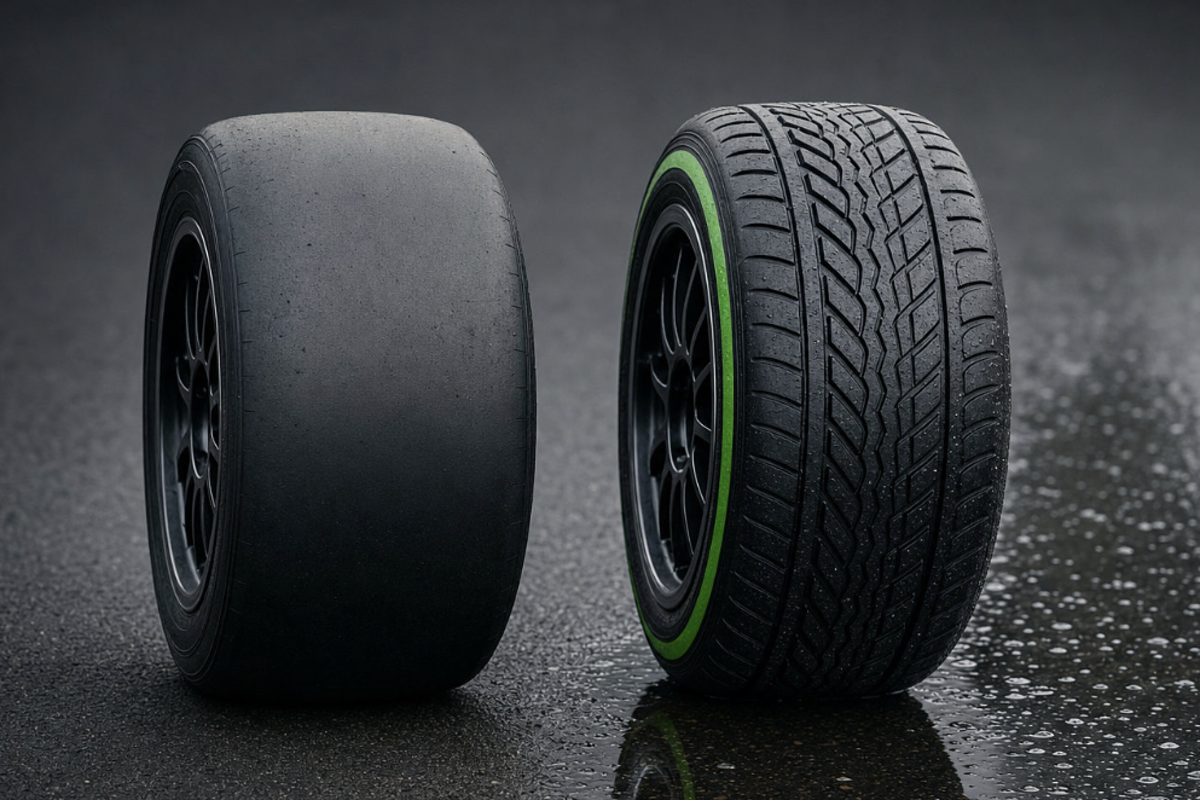
During transitions from dry to damp tracks, the choice between slick and intermediate tyres creates familiar challenges for strategists. Running slicks for as long as possible can save time, but a sudden rain burst can lead to costly spins or off-track
excursions. Conversely, switching to intermediates too early risks being on the wrong tyre as the circuit remains too dry for optimal grip.
Full wet conditions introduce additional complexity, as visibility issues and the danger of aquaplaning require a cautious approach. Teams must monitor the rate at which the circuit dries after a storm, as the “crossover period,” the exact lap when intermediates or slicks become more effective, rarely lasts long. Tyre decisions are reviewed every lap, ensuring there is seldom a universally correct choice.
Risk, reward, and strategic flexibility with pit stops
The undercut and overcut concepts, both dependent on grip levels, become increasingly important in fluctuating conditions. Deciding whether to pit early for fresh tyres or to delay and hedge against changing weather can have significant implications, especially when multiple cars are running closely together on track. If a team pits for new tyres at the wrong moment, the penalty can be losing several positions or suffering excessive tyre wear. For this reason, many squads choose to split strategies between their two drivers, hedging their bets while hoping at least one will benefit if track conditions change. Racing odds often shift unpredictably as the strategic picture evolves.
Mechanical setup decisions and their far-reaching effects
Setting up a car for mixed weather conditions is always a compromise. Higher downforce settings, raised ride heights, and altered brake cooling configurations might serve in the wet but become handicaps in the dry, especially under parc fermé rules that lock in certain decisions before the race.
Engineers must weigh the chances of changing weather against the typical demands of the circuit. Inaccurate calls can result in a car that is competitive only in some conditions, showing how a minor forecast error can shape the entire afternoon’s prospects for both drivers and teams.
Greater demands placed on drivers during wet races
Adapting to slippery surfaces requires sensitive throttle use, altered braking points, and innovative line choices to find available grip. Excessive input risks tyre overheating or glazing, which can diminish traction for several laps.
Effective communication with race engineers becomes even more important in the rain, as drivers must convey changes in grip or emerging hazards around the circuit. When feedback is clear and timely, teams are better positioned to adjust strategies during unpredictable conditions.
Neutralisations, evolving strategies, and notable modern trends
Safety car periods and red flags offer both opportunities and complications when weather intervenes. These pauses can erase hard-earned gaps, allow “cheap” pit stops, or force teams to reevaluate planned tyre stints based on how the track is evolving.
Recent seasons have featured numerous races affected by abrupt showers, rapidly drying tarmac, and cooler-than-expected temperatures. These trends highlight how, even with detailed preparation, weather continues to be the ultimate stress test for Formula 1 strategy, ensuring decisive calls and adaptability remain among the most valuable assets in the sport.
Related
More F1 news

Recommended by the editors
 Lewis Hamilton
Lewis Hamilton in Ferrari engine change at F1 Spanish Grand Prix - Ted Kravitz
 Spanish Grand Prix
F1 Race Today: Spanish Grand Prix start time, schedule, TV channel and FREE live stream
 Spanish Grand Prix
Channel 4 F1 highlights today: How to watch the 2026 Spanish Grand Prix FREE in the UK
 Spanish Grand Prix
Amended F1 2026 Spanish Grand Prix starting grid with all late penalties applied by the FIA







Races
-
 Grand Prix of Australia 2026
-
 Grand Prix of China 2026
-
 Grand Prix of Japan 2026
-
 Saudi Arabian Grand Prix 2026
-
 Miami Grand Prix 2026
-
 Grand Prix du Canada 2026
-
 Grand Prix De Monaco 2026
-
 Gran Premio de Barcelona-Catalunya 2026
-
 Grand Prix of Austria 2026
-
 Grand Prix of Great Britain 2026
-
 Grand Prix of Belgium 2026
-
 Grand Prix of Hungary 2026
-
 Dutch Grand Prix 2026
-
 Grand Prix of Italy 2026
-
Gran Premio de España 2026
-
 Grand Prix of Azerbaijan 2026
-
 Grand Prix of Bahrain 2026
-
 Grand Prix of Singapore 2026
-
Grand Prix of the United States 2026
-
 Gran Premio de la Ciudad de Mexico 2026
-
 Grande Prêmio de São Paulo 2026
-
Las Vegas Grand Prix 2026
-
 Qatar Grand Prix 2026
-
 Grand Prix of Abu Dhabi 2026
Follow us on your favorite social media channel
Editorial & corporate information

Avenue HQ
10–12 East Parade
Leeds
LS1 2BH
United Kingdom Regional correspondence
View contact page