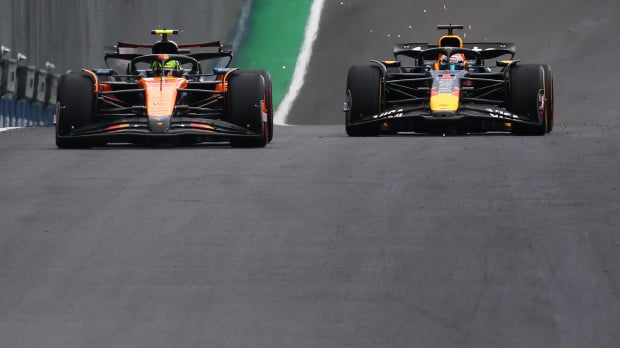

São Paulo Grand Prix Lights Up Interlagos
Few places on the Formula 1 calendar carry the raw, unfiltered passion of Interlagos, and when the MSC Cruises São Paulo Grand Prix arrives from November 6-8, 2026, that passion will be impossible to miss. The guiding idea this weekend is simple: Interlagos is where storylines collide. The undulating Autódromo José Carlos Pace has a habit of scrambling the form book, throwing weather curveballs, and handing drivers the kind of weekend that can define a season. With the championship battle still simmering after Austin and Mexico City, every corner of the Brazilian circuit becomes a stage for drama. And as fans across the globe tune in, the modern way they follow and engage with the sport has shifted dramatically too.
That global reach is exactly where the digital side of fandom comes in. More supporters than ever are using crypto-friendly services to stay connected to the action, and the growth of crypto betting options has become part of how adult F1 fans interact with race weekends. These crypto-focused sportsbooks let users deposit and withdraw in Bitcoin, Ethereum, or USDT, place anonymous wagers without lengthy identity checks, and browse competitive odds across more than 50 sports. For a worldwide audience watching a São Paulo night race from different time zones, the appeal of instant, borderless transactions and live in-play markets fits neatly into the modern rhythm of following Formula 1 and other major sports.
Why Interlagos Scrambles Every Storyline
The track itself is the first reason Interlagos collides storylines together. At just over 4.3 kilometers, it is one of the shorter, punchier circuits on the schedule, running counter-clockwise and packing elevation changes that test both car and driver. The Senna S plunges downhill into a tricky left-hander, and the long drag up the hill toward the start-finish line creates constant overtaking chances. Add the famously unpredictable São Paulo weather, where a sunny afternoon can flip to a downpour in minutes, and you have a recipe for chaos.
That volatility is why the São Paulo Grand Prix so often reshuffles the pecking order. A dry qualifying can turn into a wet sprint, and strategy calls that look safe on Friday can unravel by Sunday. For a championship race still being decided in the closing rounds of 2026, Interlagos is precisely the kind of wild card that keeps every team on edge.
Ferrari Chasing Redemption
No team feels the weight of Interlagos quite like Ferrari. The Scuderia arrives in Brazil knowing that strong results here could reshape their season's narrative. Charles Leclerc and Lewis Hamilton both understand what this circuit demands: commitment through the Senna S, patience in traffic, and the nerve to gamble when the skies darken.
Hamilton in particular has history at this track, having produced some of the most memorable drives of his career on Brazilian soil. For Ferrari fans, the question is whether the team can nail the setup for a track that favors mechanical grip and bravery over outright straight-line speed. A clean weekend at Interlagos would do wonders for a squad that has spent much of the season hunting consistency. If anywhere can deliver a turnaround story, it is here.
Red Bull and the Verstappen Factor
Then there is Red Bull, and the ever-present Max Verstappen factor. The Dutchman has made Interlagos a personal hunting ground, carving through the field on days when his car was far from the fastest. His wet-weather mastery and refusal to settle for anything less than the win make him the driver everyone watches when the clouds roll in over São Paulo.
Red Bull's challenge is to give him the machinery to fight at the front across both the sprint and the main race. The sprint format adds another layer of intrigue, compressing practice time and forcing teams to get their cars dialed in fast. For a global audience, that means two shots at the kind of overtaking spectacle Interlagos is famous for. Looking back at the drama of the 2025 São Paulo Grand Prix is a reminder of just how quickly fortunes can swing at this venue, and why Verstappen's rivals can never relax until the checkered flag falls.
A Grandstand Atmosphere Like No Other
Beyond the garages, Interlagos offers something money can't buy: an atmosphere that pulses with pure football-stadium energy. Brazilian fans turn the grandstands into a sea of color and noise, waving flags, singing, and roaring for every pass. When the floodlights catch the action during the later sessions, the whole venue takes on an electric glow that feels different from anywhere else.
That intensity is part of why the race travels so well to screens around the world. Supporters gathering with friends, scrolling live timing, and tracking every sprint result feed off the same excitement. Resources like the detailed coverage of race and sprint times at Interlagos help fans everywhere stay locked into the schedule, so nobody misses a crucial lap when the drama peaks.
The Collision Course Ahead
With the United States Grand Prix in Austin on October 23-25 and the Mexico City Grand Prix from October 30 to November 1 setting up the triple-header, Interlagos lands at the perfect moment to shake things up before the season-ending Las Vegas finale on November 19-21. Every driver storyline, from Ferrari's pursuit of pride to Red Bull's hunger to stay on top, converges on this single weekend.
That is the beauty of the guiding idea: Interlagos never lets a storyline sit quietly. It bends them, breaks them, and sometimes rewrites them entirely. For fans counting down the days, the São Paulo Grand Prix promises exactly the kind of high-stakes, unpredictable theater that makes Formula 1 impossible to look away from.




 Grand Prix of Australia 2026
 Grand Prix of China 2026
 Grand Prix of Japan 2026
 Saudi Arabian Grand Prix 2026
 Miami Grand Prix 2026
 Grand Prix du Canada 2026
 Grand Prix De Monaco 2026
 Gran Premio de Barcelona-Catalunya 2026
 Grand Prix of Austria 2026
 Grand Prix of Belgium 2026
 Grand Prix of Hungary 2026
 Grand Prix of Italy 2026
 Grand Prix of Azerbaijan 2026
 Grand Prix of Bahrain 2026
 Grand Prix of Singapore 2026
 Gran Premio de la Ciudad de Mexico 2026
 Grande Prêmio de São Paulo 2026
 Qatar Grand Prix 2026
 Grand Prix of Abu Dhabi 2026