


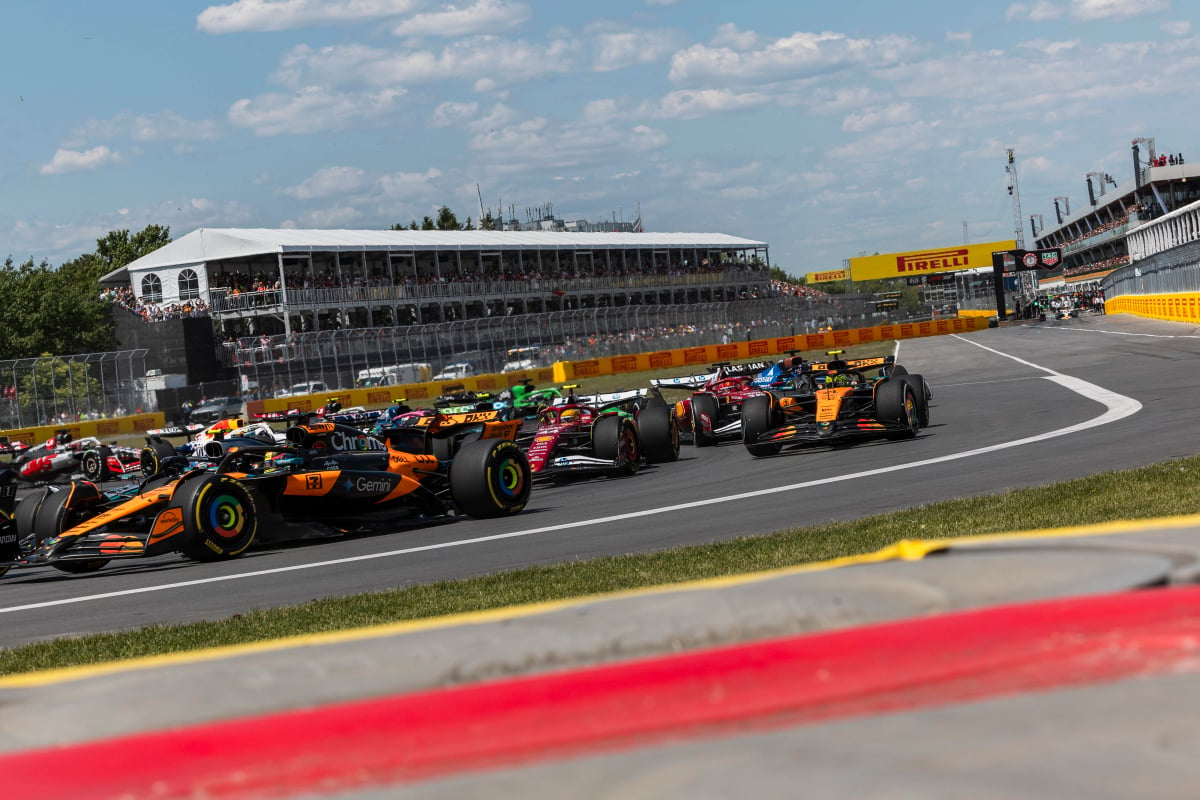

Engine changes and shorter races - F1 will look very different next year
Engine changes will be made for the 2027 season
The FIA and Formula 1 have unveiled a series of measures set to shift the focus back towards the internal combustion engine (ICE) next season. However, there’s a potential downside - according to reports - that races may be slightly shorter.
Earlier this week, the FIA announced measures to gradually lower the amount of electrical energy being used in F1 power units, down to a 60/40 ratio in favour of the ICE ran on sustainable fuels by 2028.
Next year, a 58/42 ratio will ease the transition for all parties involved, while still showing that they are willing to come away from the current 50/50 split in the power units.
Due to fuel tank capacity limits, however, adjustments in fuel flow might also lead to changes in race distances.
READ MORE: FIA announces groundbreaking F1 engine changes in major U-turn
Will there be shorter F1 races from 2027?
Planet F1 are reporting that several races may see a shortened distance next season, though the specific events have yet to be confirmed.
Fewer reconnaissance runs are planned before the grid formation, as these practice laps typically precede the official start. This comes as the FIA plans to boost fuel flow by five percent in 2027 without enlarging fuel tanks, prompting creative adjustments.
Grands prix have traditionally covered about 305 kilometres, resulting in races that last between 1.5 and 2 hours - a format set since the 1980s to suit broadcast schedules. Monaco remains the exception, with a race distance of approximately 260 kilometres.
It’s still unclear exactly how much the race distances will be reduced next season and which grands prix this will affect.
What changes are coming to F1 power units in 2027?
An official statement from the FIA on the 2027 power unit rule changes read: "The proposed changes are intended to address issues related to energy management and fuel energy flow characteristics and make qualifying more flat-out while not impacting the positive and exciting racing generated by the new regulations.
"The package introduces a staged rebalancing of Internal Combustion Engine and Energy Recovery System contribution across the 2027 and 2028 seasons. It includes targeted adjustments to internal combustion engine output, fuel energy flow and energy recovery system deployment, together with increased flexibility in energy management."
Supporting measures relating to power unit supply conditions, race operations and financial regulations have also been included in the package of changes, of which the details have not been shared publicly. The FIA will now go through the formal approval process to provide all parties with early clarity and sufficient time to adapt to the revised requirements, with the suggested changes set to be submitted to the World Motor Sport Council for approval on June 23 in Macau.
The below table highlights the FIA's engine change roadmap.
| Category | Metric | 2026 | 2027 | 2028 |
|---|---|---|---|---|
| Internal Combustion Engine | Max power | 400kW | 420kW | 450kW |
| Fuel flow increase | - | 5% | 13% | |
| MGUK | Max power | 350kW | 300kW | 300kW |
| Max power Overtake Mode | 350kW | 350kW | 350kW | |
| Max harvesting power | 350kW | 375kW | 400kW | |
| Power split ICE/MGUK | 53/47 | 58/42 | 60/40 |
F1 HEADLINES: Red Bull set for FIA protest as Christian Horner return takes new twist
Related
More F1 news
Latest F1 news
Recommended by the editors
 Latest F1 News
Alpine win FIA review as Monaco Grand Prix result hangs in the balance
 Barcelona Grand Prix
Beloved Sky F1 pundit to return at Barcelona Grand Prix after bout with illness
 Latest F1 News
F1 Crashgate scandal is heading for the Supreme Court in dramatic new development
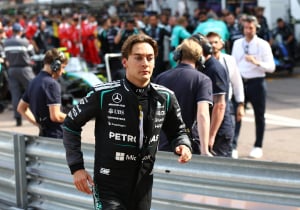 George Russell
F1 star George Russell has been 'let down' by Mercedes







Races
-
 Grand Prix of Australia 2026
-
 Grand Prix of China 2026
-
 Grand Prix of Japan 2026
-
 Grand Prix of Bahrain 2026
-
 Saudi Arabian Grand Prix 2026
-
 Miami Grand Prix 2026
-
 Grand Prix du Canada 2026
-
 Grand Prix De Monaco 2026
-
 Gran Premio de Barcelona-Catalunya 2026
-
 Grand Prix of Austria 2026
-
 Grand Prix of Great Britain 2026
-
 Grand Prix of Belgium 2026
-
 Grand Prix of Hungary 2026
-
 Dutch Grand Prix 2026
-
 Grand Prix of Italy 2026
-
Gran Premio de España 2026
-
 Grand Prix of Azerbaijan 2026
-
 Grand Prix of Singapore 2026
-
Grand Prix of the United States 2026
-
 Gran Premio de la Ciudad de Mexico 2026
-
 Grande Prêmio de São Paulo 2026
-
Las Vegas Grand Prix 2026
-
 Qatar Grand Prix 2026
-
 Grand Prix of Abu Dhabi 2026
Follow us on your favorite social media channel
Editorial & corporate information

Avenue HQ
10–12 East Parade
Leeds
LS1 2BH
United Kingdom Regional correspondence
View contact page