



Will F1's new regulations DESTROY the sport? Martin Brundle reacts to fan fears
Wholesale regulation changes are hitting F1 this year

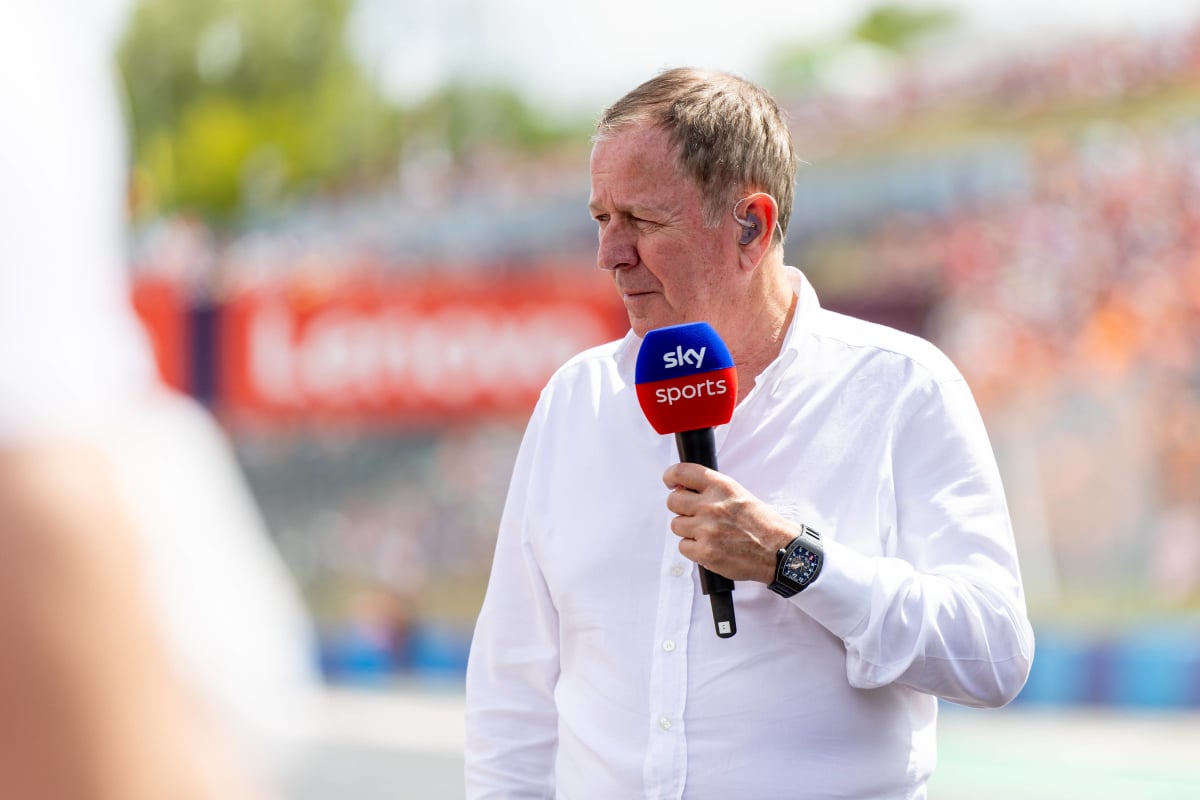
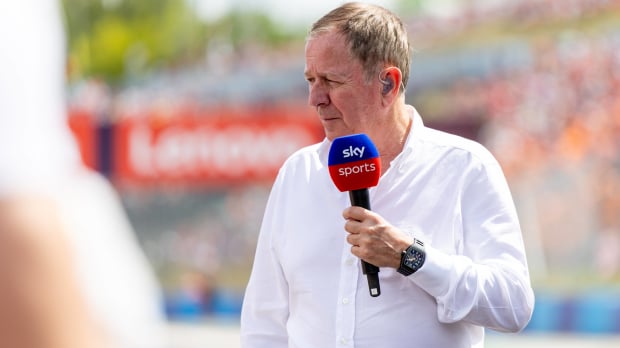
F1 broadcasting legend Martin Brundle has reacted to fears that the new regulations might 'destroy' the sport.
Brundle is a fixture of Sky Sports' coverage of the sport, and has actually been on our screens via other channels for almost 30 years.
The Brit previously raced in F1 between 1984 and 1996, claiming nine podiums in that time and racing alongside the likes of Michael Schumacher, Mika Hakkinen and Rubens Barrichello.
In 2026, F1 heralds in a new era, with hybrid power units having their electrical energy tripled, so that there is effectively a 50:50 split between the internal combustion engine and electrical energy. On top of this, there are also wholesale car design regulations incoming.
Cars will be smaller, lighter and more nimble, while DRS has been replaced by 'active aerodynamics' and an 'overtake mode' which involves more energy being able to be utilised from the battery, either in one burst, or throughout the course of a lap.
All of this has led to F1 fan concerns about the sport becoming too complicated, as well as the drivers having to manage too many things rather than racing to their maximum throughout a grand prix distance.
One fan on 'X' even went as far as describing it as an 'F1 destroying era', before Brundle replied to the social media post, explaining how in all eras of F1, drivers have had to manage certain aspects of their machinery.
"I appreciate your passion but we lifted and coasted back in the fearsome 80s turbo days," Brundle told the concerned fan.
"And pretty much constantly in Sportscar racing at Le Mans and suchlike," he continued.
"Sometimes regulations determine total fuel use, but in any case you never want to carry excess fuel through a race, it’s guaranteed to slow you down. Through the eras the great champions had to manage and protect engines, tyres, brakes, clutch, gearbox, suspension, driveshafts, fuel load, and now battery charge.
"It’s all part of the challenge, the best simply have a greater capacity to manage those challenges whilst carrying winning speed."
READ MORE: Sky Sports F1 insider reacts to Hadjar testing crash and Verstappen's 'evil look'
What are the new F1 power unit rules?
F1 power units will remain a 1.6-litre V6 turbo hybrid, but the internal combustion engine output has been cut and electrical power tripled, basically meaning there is a 50:50 split between the two power sources.
The car’s energy recovery system (ERS) can now recharge the battery with twice as much energy per lap, as F1 says goodbye to the MGU-H.
The internal combustion engine will also be able to be run off 100 per cent sustainable fuels, as F1 looks to reach its goal of carbon neutrality by 2030.
These 'advanced sustainable fuels' were already trialled in F2 and F3 in 2025, and the fuel is made from sources such as carbon capture, municipal waste and non-food biomass, to adhere to the stricter guidelines.
'Overtake mode' will also be available to drivers who are within one second of the car in front at activation points. These activation points will then trigger more electrical energy to aid overtaking or defence.
Drivers will simply push a 'Boost' button to activate the mode, but only if they have enough charge of battery.
F1 TESTING 2026: Key dates, times and how to watch live
Related
More F1 news
Latest F1 news

Recommended by the editors
 Max Verstappen
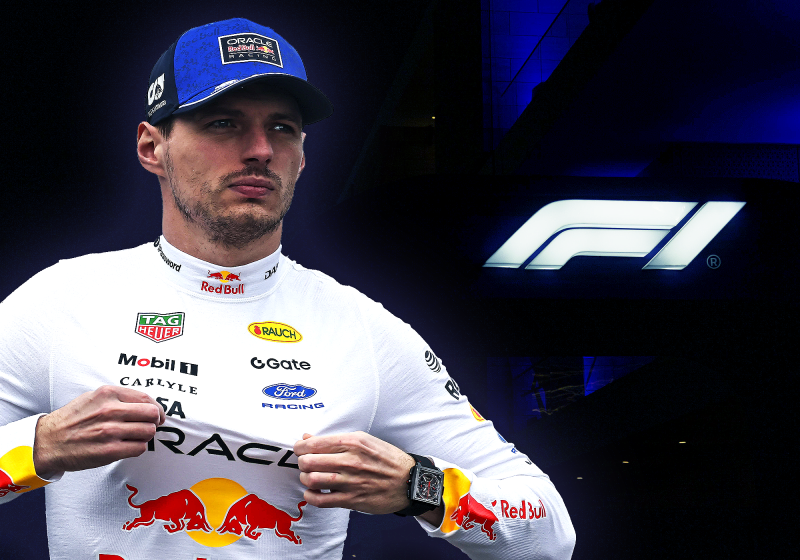
Max Verstappen series switch confirmed as F1 champion heads Nurburgring entry list
 Latest F1 News
Red Bull car is 30kg overweight? F1 fan 'exposes FIA data' in shocking images
 Aston Martin
Aston Martin replacing Adrian Newey as team principal the inevitable outcome
 Max Verstappen
Max Verstappen warns F1 over 'ruining the sport... It will bite them in the a***'







Races
-
 Grand Prix of Australia 2026
-
 Grand Prix of China 2026
-
 Grand Prix of Japan 2026
-
 Grand Prix of Bahrain 2026
-
 Saudi Arabian Grand Prix 2026
-
 Miami Grand Prix 2026
-
 Grand Prix du Canada 2026
-
 Grand Prix De Monaco 2026
-
 Gran Premio de Barcelona-Catalunya 2026
-
 Grand Prix of Austria 2026
-
 Grand Prix of Great Britain 2026
-
 Grand Prix of Belgium 2026
-
 Grand Prix of Hungary 2026
-
 Dutch Grand Prix 2026
-
 Grand Prix of Italy 2026
-
Gran Premio de España 2026
-
 Grand Prix of Azerbaijan 2026
-
 Grand Prix of Singapore 2026
-
Grand Prix of the United States 2026
-
 Gran Premio de la Ciudad de Mexico 2026
-
 Grande Prêmio de São Paulo 2026
-
Las Vegas Grand Prix 2026
-
 Qatar Grand Prix 2026
-
 Grand Prix of Abu Dhabi 2026
Follow us on your favorite social media channel
Editorial & corporate information

Avenue HQ
10–12 East Parade
Leeds
LS1 2BH
United Kingdom Regional correspondence
View contact page