



Is Data Analytics Changing the Way F1 Teams Compete?
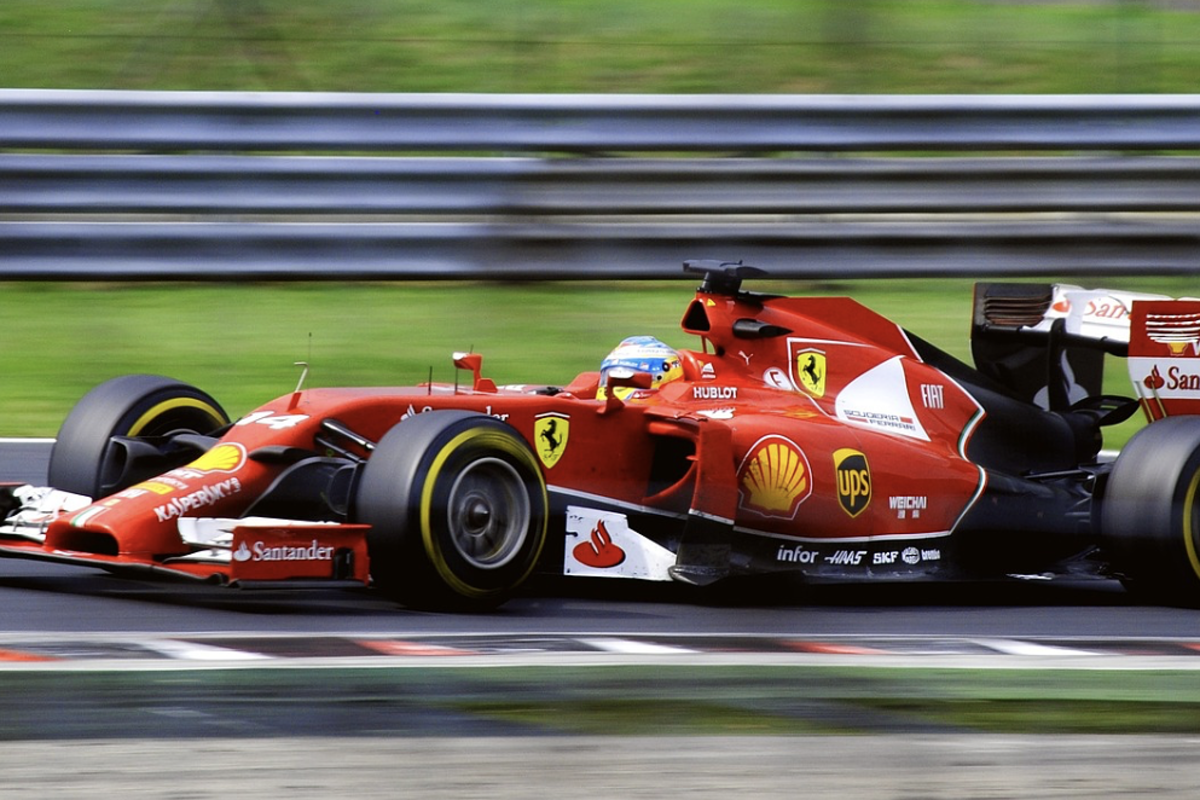
Winning a Formula 1 race used to be about mechanical speed and driver bravado. Today, it’s about how fast a team can think. Cars still roar, gears still change, and drivers still push to the edge, but behind the scenes, a far less visible battle is underway: one of data, real-time analysis, and predictive modelling. In a sport where a few hundredths of a second can separate glory from obscurity, data analytics isn’t just an accessory to success. It’s a core pillar of how teams compete and win.
Live lap-time trends, tyre degradation rates, and historical race patterns feed probability models that shape how race outcomes are assessed beyond the circuit. In sports betting environments, those same performance indicators surface through “Statistics and Live Score” tools. There, live race metrics and archived performance data provide context for selections as the racing competitions unfold.
Telemetry: The Nervous System of a Racing Team
Modern Formula 1 cars are fundamentally high-speed data collectors. Each vehicle carries hundreds of sensors that measure everything from wheel speed and engine temperature to tire carcass temperatures and suspension loads. Across a race weekend, cars can generate hundreds of gigabytes of data, with roughly over 1 million data points per second streamed from the car to engineers.
This torrent of information is what teams call telemetry, and it’s the heartbeat of every modern F1 operation. Rather than waiting for a driver to describe how the car feels, engineers can see exactly how each system performs in real time. Brake discs are overheating here. Rear tire graining there. Every spike and trend becomes a clue, minutes before the race outcome hinges on a strategy call.
Telemetry transforms the car into a high-speed laboratory on wheels. There’s no speculative guesswork; teams react to real signals.
If tire temperature patterns suggest a breakaway from ideal performance, strategists might accelerate a pit stop call. If hybrid power usage is trending toward inefficiency, F1 drivers might be instructed to shift energy deployment strategies.
Predictive Modelling: Anticipating the Unpredictable
If telemetry is a car’s nervous system, predictive modelling is its forecast engine. Raw data alone isn’t enough; teams need to understand what that data means for the future, under uncertainty.
In practice, this means running race simulations that project lap times, tire degradation profiles, and even the probability of safety cars or changing weather. These simulations aren’t simple spreadsheets; they’re sophisticated models that incorporate thousands of variables and evolving real-time inputs.
Predictive analytics pay off most visibly in the pit strategy. In the old days, a pit decision might have been based on intuition or simple historical averages. Now, teams run scenario engines that balance tire wear, track position, competitor pace, and Safety Car risk to estimate whether an undercut, overcut, or extended stint gives a net advantage.
For example, simulations might show that a driver on warmer, degrading tires will lose pace at a predictable rate. Paired with a forecast of a rival’s upcoming pace, a team can choose to pit earlier to gain fresh rubber and “undercut” the competitor. Predictive models tell engineers not just what might happen, but with what probability, bringing statistical rigor to decisions that once relied on instinct.
Researchers even use advanced modeling frameworks, such as Bayesian state-space models, to estimate tire behavior and lap-time impacts, providing a mathematically sound foundation for strategy calls. These academic advances mirror what happens in real race strategy rooms.
From Pit Wall to Cloud: Real-Time Decisions Shape Outcomes
Telemetry and modelling aren’t siloed. Today’s teams blend them into a continuous loop of insight and action.
Real-time data streams to both the pit wall and back to remote operation rooms at team headquarters. Engineers in both locations monitor trends, run new simulations, and communicate recommended strategy changes in near real time. When conditions change, like a sudden rain shower or an unexpected Safety Car, the teams don’t gamble; they react with a calculated strategy backed by live analytics.
The integration of artificial intelligence (AI) has accelerated this dynamic. Machine learning tools can spot patterns humans may miss, predicting mechanical failures before they happen or flagging sudden shifts in track grip levels. These predictive alerts shorten the decision latency from seconds to milliseconds, a crucial edge in a sport where each click of the stopwatch counts.
And it’s not just internal to teams. Formula 1 itself uses machine learning to power fan-facing strategy insights, like lap-to-lap predictions and overtaking probabilities during live broadcasts.
Performance Optimisation: Beyond Strategy Calls
Data analytics in F1 doesn’t stop at tyre choices and pit windows. It also drives performance optimisation across every element of race operations.
For engineers, telemetry provides real-time feedback about how individual components perform under stress. If suspension movement is off in a specific corner, if brake bias is shifting mid-race unexpectedly, data reveals it instantly. These insights guide setup adjustments between sessions and feed into longer-term development cycles.
Drivers themselves are honed through data. Patterns in braking, cornering, and throttle application help engineers advise on optimal driving lines and energy deployment to shave crucial tenths off lap times. Every lap becomes a micro-iteration in performance improvement.
Such precision engineering and analytics integration don’t just make cars faster. They make teams smarter, able to extract the maximum from rules that constrain car modifications, such as parc fermé conditions that limit setup changes on race day. Under those constraints, teams optimise usage, not hardware, and data is what makes that possible.
The Human + Machine Partnership
Critics sometimes argue that analytics has simply given bigger budgets to the richest teams, widening the competitive gap. But data doesn’t replace human judgment; it amplifies it. A model might suggest an optimal pit window, but a strategist must validate it against driver feel, competitor behaviour, and intangible race dynamics. The most successful teams are those that blend data precision with human intuition, not ones that rely on either alone. When a Safety Car appears, or the weather turns in a minute, it’s not analytics that flips the strategy; it’s the decision-maker interpreting those analytics under pressure.
Recent partnerships, such as Mercedes’ adoption of Microsoft’s cloud and AI for real-time analytics, show that teams continue to invest in both advanced technology and the human infrastructure needed to use it wisely.
Analytics Isn’t Optional, It’s Integral
So, has data analytics changed the way F1 teams compete? Absolutely. Telemetry gives engineers sight beyond the driver’s senses. Predictive modelling turns massive information flows into probabilistic strategies. And real-time analytics lets teams adapt on the fly, squeezing performance from every corner of the rulebook.
Today’s races aren’t just won on engine horsepower or aerodynamic downforce; they’re won in the data rooms where engineers run simulations, anticipate competitor moves, and decide when to push and when to play the odds. In a sport where margins are measured in milliseconds, the teams that think fastest often win first.
Related
More F1 news



Recommended by the editors
 Kimi Antonelli
Tragic death of Italian star reorders Antonelli priorities: 'First and foremost, health'
 F1 2026
F1 Odds: Bad news for Lewis Hamilton as 2026 title race takes a new twist
 F1 Monaco Grand Prix
F1 Monaco Grand Prix result could change AGAIN as Red Bull and McLaren begin FIA court battle
 Mercedes F1
$6billion Mercedes make bombshell claim in F1's upgrades race: 'We haven't got the money'







Races
-
 Grand Prix of Australia 2026
-
 Grand Prix of China 2026
-
 Grand Prix of Japan 2026
-
 Saudi Arabian Grand Prix 2026
-
 Miami Grand Prix 2026
-
 Grand Prix du Canada 2026
-
 Grand Prix De Monaco 2026
-
 Gran Premio de Barcelona-Catalunya 2026
-
 Grand Prix of Austria 2026
-
 Grand Prix of Great Britain 2026
-
 Grand Prix of Belgium 2026
-
 Grand Prix of Hungary 2026
-
 Dutch Grand Prix 2026
-
 Grand Prix of Italy 2026
-
Gran Premio de España 2026
-
 Grand Prix of Azerbaijan 2026
-
 Grand Prix of Bahrain 2026
-
 Grand Prix of Singapore 2026
-
Grand Prix of the United States 2026
-
 Gran Premio de la Ciudad de Mexico 2026
-
 Grande Prêmio de São Paulo 2026
-
Las Vegas Grand Prix 2026
-
 Qatar Grand Prix 2026
-
 Grand Prix of Abu Dhabi 2026
Follow us on your favorite social media channel
Editorial & corporate information

Avenue HQ
10–12 East Parade
Leeds
LS1 2BH
United Kingdom Regional correspondence
View contact page