


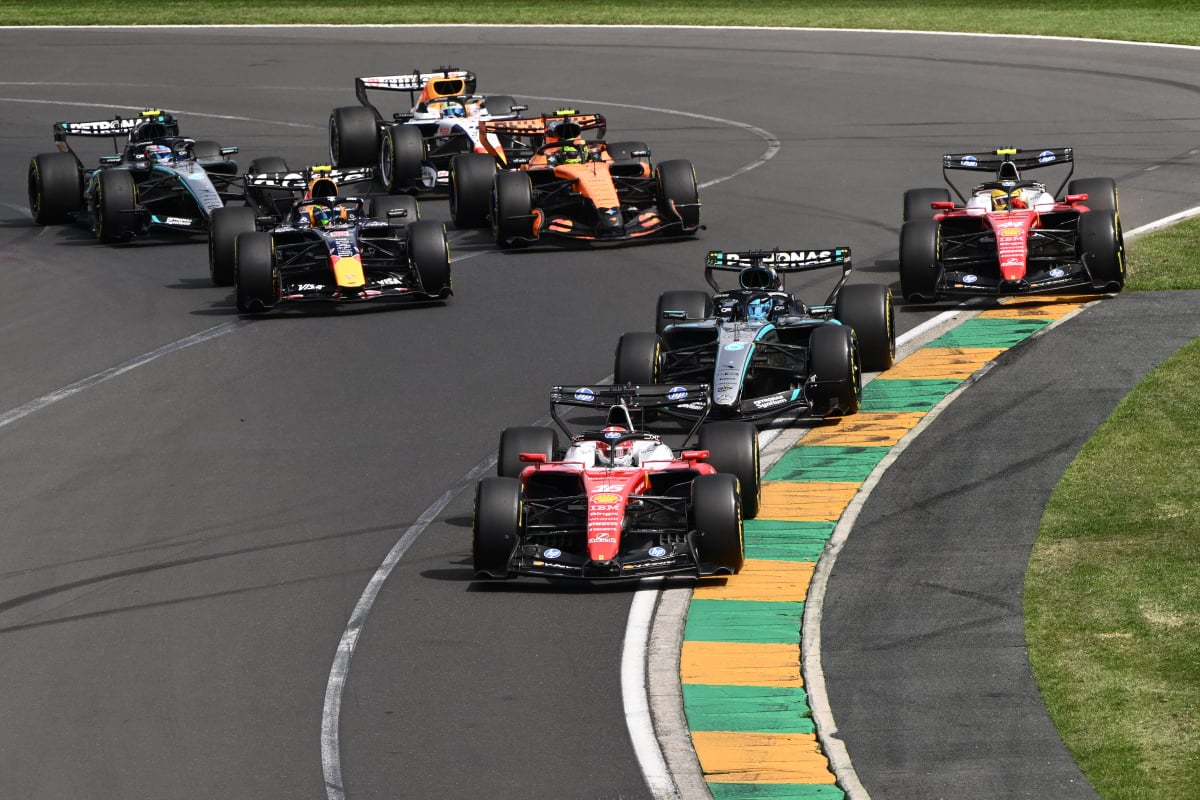

The Factors Fans Study Closely Ahead of Each Formula 1 Race Weekend
Formula 1 fans rarely wait until lights out to form opinions about a race. Discussion starts days earlier. News from teams, driver interviews, and practice data quickly spread across motorsport media and fan communities.
Race weekends follow a predictable structure, yet outcomes rarely feel certain. Supporters study small details that hint at performance. Lap time comparisons, tyre usage, and circuit history all shape expectations.
Careful observation often reveals patterns that influence results. Driver confidence, technical upgrades, and track characteristics all play a role. Paying attention to these elements helps supporters gain a clearer sense of how a race weekend might develop.
Driver Form and Early Race Predictions
Driver performance across recent rounds usually forms the starting point for pre-race discussion. Strong results create momentum, while mistakes or retirements raise questions about confidence, with some fans also comparing insights and expectations across betting sites such as BetGoodwin as part of their early race analysis.
Fans looking to evaluate driver form should examine finishing positions alongside qualifying pace. Consistent lap times during races often indicate a driver who manages tyres well and handles pressure calmly. Comparing teammates also helps reveal a car's true pace.
Looking at Recent Performance Trends
Recent race weekends offer valuable clues. A driver who repeatedly gains places during races may feel comfortable with the car’s balance. Poor qualifying results combined with strong race pace could point to a potential strategy.
Practice sessions add further context. Supporters often compare long-run averages rather than focusing only on fastest laps. Long-run data shows tyre wear and consistency across multiple laps.
Careful comparison between driver results and betting markets sometimes highlights interesting differences in expectations.
Track Characteristics and Circuit Demands
Every Formula 1 circuit presents its own technical demands. Circuit layout influences how teams prepare their cars and which drivers might excel.
Fans hoping to assess race potential should begin with the track map. Long straights tend to reward cars with strong top speed. Tight corners highlight mechanical grip and driver precision.
Examining Layout and Overtaking Zones
Track width and braking zones influence overtaking opportunities. Circuits such as Monza feature long straights that encourage slipstream battles. Tracks with narrow sections often produce fewer passing chances.
Historical race data helps reveal these patterns. Fans reviewing previous results may notice that certain teams perform consistently well at particular circuits.
Surface grip also plays a role. Some tracks generate heavy tyre degradation, while others allow longer stints. Awareness of these details helps supporters understand how strategies might unfold.
Drivers who thrive at specific circuits often appear in pre-race discussions. Knowledge of a track’s characteristics allows fans to anticipate where certain teams could gain an advantage.
Tyre Strategy and Pit Stop Planning
Tyre management shapes race outcomes more often than casual viewers realise. Compound selections for each Grand Prix become available early in the week. Fans who review these choices gain a useful starting point for analysing strategy.
Teams choose between soft, medium, and hard compounds depending on expected track temperature and wear levels. Softer tyres provide grip yet degrade faster. Harder compounds allow longer stints.
Watching Practice Runs for Strategy Clues
Practice sessions reveal how teams approach tyre usage. Long runs during the second practice often simulate race conditions. Observant fans track lap time consistency rather than single fast laps.
A consistent long-run pace suggests a team can manage tyre degradation effectively. Uneven lap times may indicate overheating or balance problems.
Pit stop timing adds another variable. Undercut strategies involve pitting earlier than rivals to gain track position with fresh tyres. Overcut attempts rely on staying out longer and using clear air.
Fans analysing these factors often gain a clearer view of potential race tactics before Sunday arrives.
Weather Conditions and Race Day Variables
Weather forecasts regularly influence race predictions. Dry conditions allow teams to follow planned strategies, while rain introduces unpredictability.
Supporters who monitor weather reports across the race weekend can identify scenarios where drivers with strong wet-weather skills may perform well.
Adapting Expectations When Conditions Change
Rainfall affects tyre choice, braking distance, and driver visibility. Wet conditions often increase the likelihood of safety cars or red flags.
Temperature also influences performance. Hot weather can accelerate tyre wear and challenge cooling systems. Cooler conditions may favour cars that struggle with overheating.
Wind direction plays a smaller yet noticeable role. Strong gusts affect aerodynamic stability through fast corners.
Fans who adjust their expectations to changing conditions often gain a better sense of how chaotic races can be.
Technical Upgrades and Development Progress
Car development remains a constant theme throughout the Formula 1 season. Teams introduce new aerodynamic parts, suspension adjustments, and cooling improvements as they seek lap-time gains.
Fans paying attention to upgrade announcements often spot performance changes before they appear clearly on the timing sheets.
Tracking Team Progress Across the Season
Team press releases and paddock reports often announce when updates are available. Supporters who follow these reports gain insight into the development direction.
Some upgrades focus on cornering speed. Others aim to improve tyre management or straight-line performance. Even small adjustments can reduce lap time by a few tenths.
Comparing results before and after upgrades helps fans judge their effectiveness. Teams that deliver successful improvements often climb up the grid.
The pace of development becomes especially important during tight championship battles. Small gains accumulated over several races can shift the balance between rival teams.
Follow the Race Weekend Like an Expert
Grand Prix events offer far more than the action seen during Sunday’s race. Fans who pay attention to preparation and analysis often gain deeper insight into the sport. Driver form, circuit design, strategy choices, and weather forecasts all contribute to race outcomes. Technical development adds another layer of intrigue throughout the season.
Closer attention to these elements helps transform race weekends into engaging opportunities to evaluate driver skill, team strategy, and the many variables that shape Formula 1 competition.
Related
More F1 news


Recommended by the editors
 Max Verstappen
Mercedes and McLaren just gave Red Bull wings with $500million Verstappen transfer mistake
 Kimi Antonelli
Tragic death of Italian star reorders Antonelli priorities: 'First and foremost, health'
 F1 2026
F1 Odds: Bad news for Lewis Hamilton as 2026 title race takes a new twist
 F1 Monaco Grand Prix
F1 Monaco Grand Prix result could change AGAIN as Red Bull and McLaren begin FIA court battle







Races
-
 Grand Prix of Australia 2026
-
 Grand Prix of China 2026
-
 Grand Prix of Japan 2026
-
 Saudi Arabian Grand Prix 2026
-
 Miami Grand Prix 2026
-
 Grand Prix du Canada 2026
-
 Grand Prix De Monaco 2026
-
 Gran Premio de Barcelona-Catalunya 2026
-
 Grand Prix of Austria 2026
-
 Grand Prix of Great Britain 2026
-
 Grand Prix of Belgium 2026
-
 Grand Prix of Hungary 2026
-
 Dutch Grand Prix 2026
-
 Grand Prix of Italy 2026
-
Gran Premio de España 2026
-
 Grand Prix of Azerbaijan 2026
-
 Grand Prix of Bahrain 2026
-
 Grand Prix of Singapore 2026
-
Grand Prix of the United States 2026
-
 Gran Premio de la Ciudad de Mexico 2026
-
 Grande Prêmio de São Paulo 2026
-
Las Vegas Grand Prix 2026
-
 Qatar Grand Prix 2026
-
 Grand Prix of Abu Dhabi 2026
Follow us on your favorite social media channel
Editorial & corporate information

Avenue HQ
10–12 East Parade
Leeds
LS1 2BH
United Kingdom Regional correspondence
View contact page