


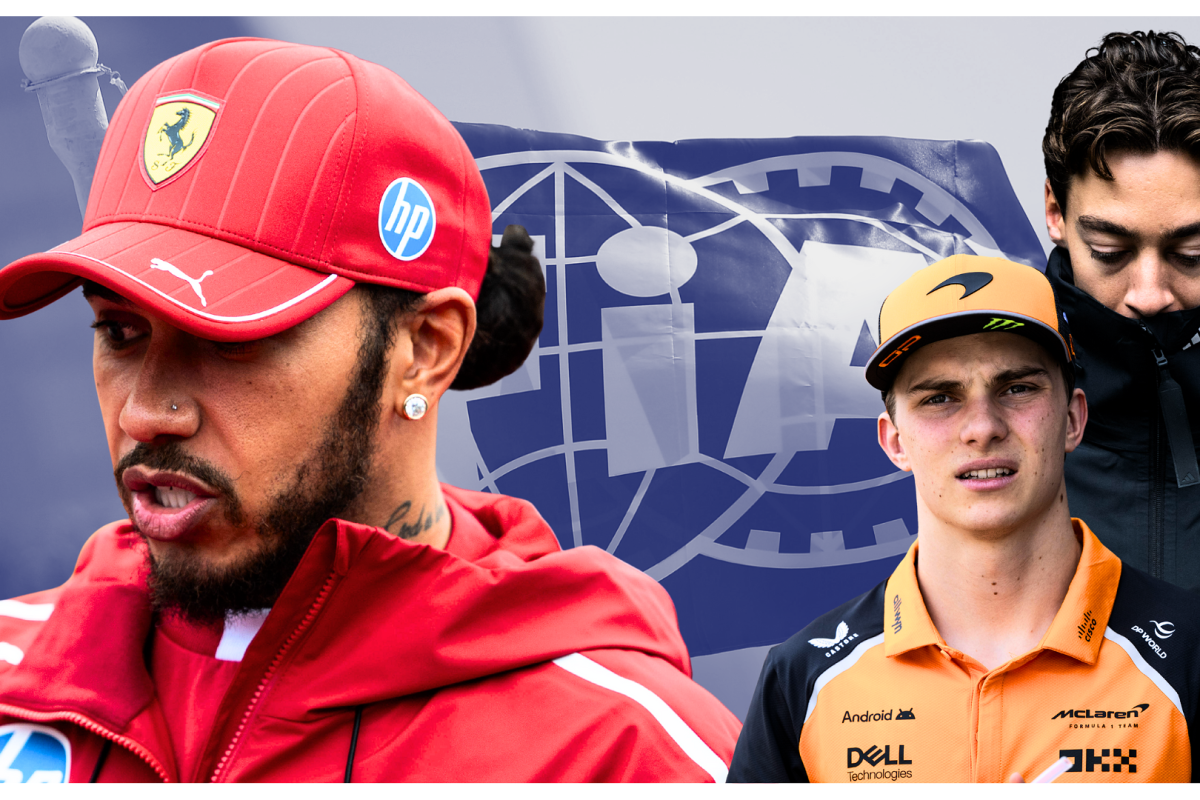

F1 and FIA need to take urgent action to avoid Australian GP disaster
Is it fair? No. Is it essential? Yes
The FIA knew they'd have their hands full this winter. Even a relatively standard regulation change can fire off half a dozen little complaints, niggles, and technical clarifications – and the 2026 changes are anything but standard.
It looked for a while like the off-season's big controversy would be all about engine compression ratios (yawn!) after Mercedes and Red Bull pulled off some world class rules lawyering, but a new issue reared its head this week.
In short, the 2026 cars struggle to get off the start line. This is a problem that the teams were well aware of coming into this week's testing in Bahrain, but the visual of a group practice start in which only two cars got off the line put things in stark relief for anyone watching at home.
The condensed version of the start issue is that the design of the new power units means that a number of cars need to rev up hard for an extended period in order to jump off the line properly – with the potential to leave some drivers stranded on the grid if they can't get their turbos spooled up in time.
That, obviously, is dangerous, and a number of team bosses want the start procedure lengthened in order to make sure everyone can get off the line in time.
F1 HEADLINES: Verstappen threatens to quit as Red Bull fear they are only fourth fastest
Ferrari did the right thing. However...
There is one team that disagrees. Ferrari, it turns out, had foreseen this problem when they were designing their 2026 power unit and – after other teams apparently dismissed their warnings at the time – developed an engine which works better off the line than any other on the grid.
The Scuderia's attitude now appears to be 'screw you, we warned you about this and you didn't listen, you can't just ask for Daddy FIA to bail you out now because you were too thick and lazy to make an engine that isn't liable to get bogged down on the grid like we did'.
It's easy to have sympathy with that viewpoint. We do, in fact, to an extent. But...the rules definitely need changing anyway.
It stinks for Ferrari. They, in good faith, designed a power unit that they believe is best suited to the new regulations as they stand. Their rivals, who brushed over a key part of those new regulations, might now get a reprieve. That would, presumably, put the one team who 'did everything right' at a disadvantage, because of the time they put into this specific part of their engine development and the trade-offs they made to accommodate that.
Send them a fruit basket, or something. Get the other team principals to foot the bill for a nice meal as an apology. Have an afternoon where all the design chiefs wear tshirts that say 'Ferrari were right'. Whatever balances the scales slightly.
The rules have to be changed. It's a fundamental safety issue to have cars stuck on the grid while partially unsighted drivers from behind them on the grid are accelerating their 800kg rocket ships right toward their rear end. It's a recipe for races to get ruined, and for serious injuries.
Ferrari are getting screwed in the deal, but the FIA and upcoming F1 Commission have to alter the start processes to make sure all of the 22 drivers on the grid are kept in once piece from Australia through Abu Dhabi. Competitive fairness takes second place to basic safety.
READ MORE: Max Verstappen reveals chilling Mercedes testing theory
Related
More F1 news


Recommended by the editors
 Max Verstappen
The brutal Max Verstappen exit clause revealed and why it's bad news for Red Bull
 FIA
FIA
FIA on alert over new Mercedes engine trick that has 'annoyed' Ferrari
 Latest F1 News
Red Bull F1 boss opens up on 'retirement talk' with Max Verstappen
 F1 News & Gossip
F1 stars' WhatsApp group is 'exploding' claims GPDA chairman: 'Drivers have to be heard'







Races
-
 Grand Prix of Australia 2026
-
 Grand Prix of China 2026
-
 Grand Prix of Japan 2026
-
 Grand Prix of Bahrain 2026
-
 Saudi Arabian Grand Prix 2026
-
 Miami Grand Prix 2026
-
 Grand Prix du Canada 2026
-
 Grand Prix De Monaco 2026
-
 Gran Premio de Barcelona-Catalunya 2026
-
 Grand Prix of Austria 2026
-
 Grand Prix of Great Britain 2026
-
 Grand Prix of Belgium 2026
-
 Grand Prix of Hungary 2026
-
 Dutch Grand Prix 2026
-
 Grand Prix of Italy 2026
-
Gran Premio de España 2026
-
 Grand Prix of Azerbaijan 2026
-
 Grand Prix of Singapore 2026
-
Grand Prix of the United States 2026
-
 Gran Premio de la Ciudad de Mexico 2026
-
 Grande Prêmio de São Paulo 2026
-
Las Vegas Grand Prix 2026
-
 Qatar Grand Prix 2026
-
 Grand Prix of Abu Dhabi 2026
Follow us on your favorite social media channel
Editorial & corporate information

Avenue HQ
10–12 East Parade
Leeds
LS1 2BH
United Kingdom Regional correspondence
View contact page