


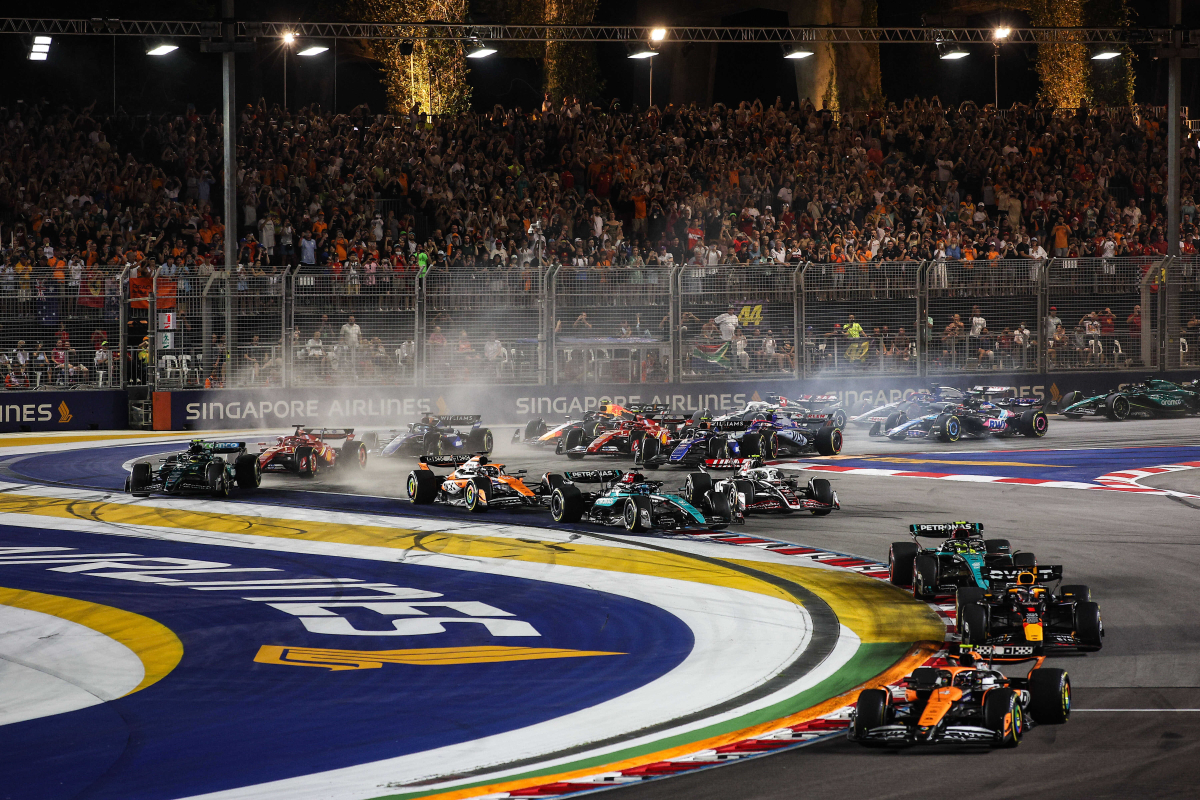

F1 Changes the Rules in 2026 Season | Major Regulations
McLaren’s team has smashed the 2025 season. Their dominance was off the charts: 12 wins and 7 one-two finishes boosted their defence title. Though their supremacy may be short-lived, as Formula 1 introduces radical regulations that haven’t been seen in decades. The new car era is about to begin, and it may drastically shake up the pecking order. Recent favourites on papers will only translate the title to 2026 if they properly interpret active aero and show effective energy management.
McLaren’s Success in the 2025 F1 Season
Given Red Bull and Max Verstappen's dominance in Formula One in the more recent history of the sport, fans had been calling out for more excitement, drama and for someone else to step up to the plate and the lead the podium, and McLaren's Lando Norris did that in spectacular fashion in the 2025 calendar to pick up his maiden World Drivers' Championship.
It was a good year all round for the race team as Oscar Piastri joined his 26 year old race colleague in third place and McLaren themselves stormed to victory in the Constructors standings, but with the curtain now drawn on the 2025 campaign it is all eyes to 2026 where the wind of change will again be blowing over the rulebook as F1 are submitting the biggest change in regulations in its history. Due to them, new chassis and engine rules come into play, along with sustainable fuels now being mandated.
How Fans Entertain During the Off-Season?
Roughly three months without races is a pretty long term for true supporters of the sport. Discussing market rumours and predictions, and rewatching epic races from the last season saves during the first weeks. Plenty of F1 fans will also be enjoying websites like Cardmates right now as they investigate the poker and casino options available for their entertainment.
The portal shares expert reviews of iGaming platforms, which help avoid rogue or unregulated brands. Their professional team has tested dozens of sites and continues to do the job so that those interested can compare venues, bonuses and game catalogues to reduce the risk of poor choices. Cardmates checks licences, ownership reputation and complaints around the brand before the guys can recommend it (or not) to the audience.
Only action on glamorous tracks is capable of quenching the thirst of an avid Formula 1 fan, though. But, when the 2026 race calendar returns, cars will be smaller, nimbler and more environmentally friendly.
F1 2026 Technical Regulation Changes – What to Expect?
As the New Year nears, following an F1 and FIA consultation involving 50,000 community 'Fan Voice' submissions, third-party polling data, F1 teams and other technical experts to determine the best terminology to use in light of all the changes, they have now settled on their preferred choices.
The changes mean that drivers have more power in their hands to determine when to use the available energy, but they also have to weigh up regeneration issues and conservation, as total available energy is limited. They will now have a series of modes available:
- Overtake mode replaces the DRS overtaking aid.
- Boost mode provides the driver with maximum engine and battery power at the push of a button.
- Active aero will see the front and rear wings adjust angles.
- Recharge recovers energy from breaking or throttle lift when only partial power is required.
What is Changing in Car Design?
As for car changes, they will be smaller and lighter, with a reduced wheelbase of 200mm, reduced width of 100mm and a 30kg minimum weight reduction. Downforce is expected to reduce by 15-30%, which can be clawed back by further car development in future years, and it is expected that drag will be reduced by 40% owing to the active aerodynamics. Tyres retain 18-inch rims, but will be narrower – 25mm at the front and 30mm at the rear.
What About the Power Units?
The engine and power change will now see a straight 50/50 split between internal combustion and electrical system, and that is up from 20% electrical last calendar, and all cars will now be required to run on fully sustainable fuel, which is manufactured from biomass or synthetic industrial processes.
Although the new engines will continue to be 1.6-litre V6 turbo hybrids, they will have significantly increased electrical output, which has driven innovation in the relevant aerodynamics. Drivers will be expected to manage electrical energy throughout qualifying laps and races themselves in order to reach peak performance.
What Will the New Rules Result In?
How all these changes will play out on the track obviously remains to be seen, and plenty will feel that it will significantly change the sport as we know it. But undoubtedly some drivers will take to the tweaks better than others, and we will have to see what that results in.
Eyes will definitely be on the current champion – McLaren. The trophy reflected the McLaren team's hard work during the previous season but that package will not work again. The 2026 season changes create a genuine opportunity for rivals to leapfrog them; at least the new rules may close the gap. More driver‑controlled modes require a thorough strategy – a fast car will not help win if energy management is poor. We’ll see how it all goes in 2026.
Related
More F1 news
Latest F1 news

Recommended by the editors
 Chinese Grand Prix
Fernando Alonso blasts latest F1 embarrassment: 'The worst show you can have'
 Chinese Grand Prix
Bonkers to think Oscar Piastri has had a worse start to the season than Aston Martin
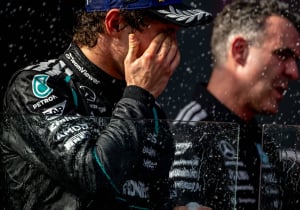 Chinese Grand Prix
F1 teenage star in TEARS after landing his first ever win
 Chinese Grand Prix
F1 Results Today: Lewis Hamilton secures best Ferrari result, star takes historic win







Races
-
 Grand Prix of Australia 2026
-
 Grand Prix of China 2026
-
 Grand Prix of Japan 2026
-
 Grand Prix of Bahrain 2026
-
 Saudi Arabian Grand Prix 2026
-
 Miami Grand Prix 2026
-
 Grand Prix du Canada 2026
-
 Grand Prix De Monaco 2026
-
 Gran Premio de Barcelona-Catalunya 2026
-
 Grand Prix of Austria 2026
-
 Grand Prix of Great Britain 2026
-
 Grand Prix of Belgium 2026
-
 Grand Prix of Hungary 2026
-
 Dutch Grand Prix 2026
-
 Grand Prix of Italy 2026
-
Gran Premio de España 2026
-
 Grand Prix of Azerbaijan 2026
-
 Grand Prix of Singapore 2026
-
Grand Prix of the United States 2026
-
 Gran Premio de la Ciudad de Mexico 2026
-
 Grande Prêmio de São Paulo 2026
-
Las Vegas Grand Prix 2026
-
 Qatar Grand Prix 2026
-
 Grand Prix of Abu Dhabi 2026
Follow us on your favorite social media channel
Editorial & corporate information

Avenue HQ
10–12 East Parade
Leeds
LS1 2BH
United Kingdom Regional correspondence
View contact page