



Why Fans Love Predicting Race Outcomes Before the Lights Go Out
Formula 1 weekends don’t start when the cars roll onto the grid. For many fans, the race begins much earlier. Sometimes days earlier. Predictions are made before the lights go out, before the engines scream, and often before anyone really knows how things will unfold.
That early guessing is part of the fun. Fans don’t just watch races. They try to read them.
The Habit of Making a Call Before Anything Happens
Predicting a race outcome is a ritual. It starts with practice sessions and builds through qualifying. Fans look at lap times, tyre choices, weather forecasts, and even radio chatter. Some go deep into data. Others rely on instinct. Either way, the choice is made before the formation lap.
There’s satisfaction in committing early. Saying “this is how it’s going to go” before the chaos begins. Once the lights go out, the prediction is locked. From that moment on, every overtake and safety car either confirms the call or slowly tears it apart. That tension keeps people glued to the screen.
Why Speed and Independence Matter to Fans
There’s no waiting for bank approval or manual checks to clear in the background. This mirrors how fans think during a race weekend. Decisions are made fast.
Opinions shift lap by lap. The appeal is having control and speed simultaneously, especially before the lights go out and everything becomes unpredictable.
Reading the Grid Feels Like Solving a Puzzle
Part of the appeal is that race outcomes feel solvable. Not easy, but they are readable. Real fans can spot patterns. One team looks strong on long runs. Another struggles with tyre wear. A driver nails qualifying but fades on race pace.
These clues stack up. By the time race day arrives, fans feel like they’ve earned their prediction. It’s not random. It’s built from small observations made across the weekend.
Even when the call turns out wrong, the process still feels worthwhile.
Community Turns Guessing Into Competition
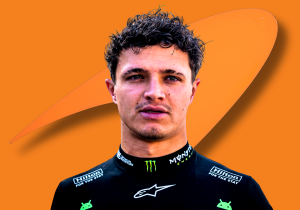
Predictions are rarely private. Fans share them. Argue about them. Lock them into group chats and comment sections. Someone always goes bold. Someone always plays it safe. Moments like the recent debate around Lando Norris and penalty decisions only fuel that energy, with fans split over how rulings should be applied before the race even begins.
Once the race starts, the conversation shifts. Messages slow. Reactions spike. A wrong call gets teased. A lucky one gets defended as “obvious.” That shared experience turns a single prediction into something social. It’s not about being right every time. It’s about being part of the moment.
The Appeal of Predicting Before Chaos Takes Over
After the lights go out, control disappears. Weather changes and strategy falls apart. Safety cars rewrite everything. That’s why the pre-race prediction matters so much. It exists in the calm before the storm.
Fans enjoy that brief window where logic still applies. Where data still matters. Where the grid looks stable, even if it never is. Making a call before that point feels cleaner, purer.
Once the race starts, it’s too late. The fun is already in motion.
Related
More F1 news
Full News Feed
Recommended by the editors
 Australian Grand Prix
F1 Australian Grand Prix 2026 results: Final classification with penalties applied
 F1 on TV
F1 on Apple TV: 2026 Presenter lineup and how to watch for FREE
 Australian Grand Prix
F1’s new cars in 2026 are soooooo much slower as Australian Grand Prix confirms the grim truth
 Formula 1
F1 2026 Schedule: All 24 grands prix and where the races will be shown on TV




Races
-
 Grand Prix of Australia 2026
-
 Grand Prix of China 2026
-
 Grand Prix of Japan 2026
-
 Grand Prix of Bahrain 2026
-
 Saudi Arabian Grand Prix 2026
-
 Miami Grand Prix 2026
-
 Grand Prix du Canada 2026
-
 Grand Prix De Monaco 2026
-
 Gran Premio de Barcelona-Catalunya 2026
-
 Grand Prix of Austria 2026
-
 Grand Prix of Great Britain 2026
-
 Grand Prix of Belgium 2026
-
 Grand Prix of Hungary 2026
-
 Dutch Grand Prix 2026
-
 Grand Prix of Italy 2026
-
Gran Premio de España 2026
-
 Grand Prix of Azerbaijan 2026
-
 Grand Prix of Singapore 2026
-
Grand Prix of the United States 2026
-
 Gran Premio de la Ciudad de Mexico 2026
-
 Grande Prêmio de São Paulo 2026
-
Las Vegas Grand Prix 2026
-
 Qatar Grand Prix 2026
-
 Grand Prix of Abu Dhabi 2026
Follow us on your favorite social media channel
Editorial & corporate information

Avenue HQ
10–12 East Parade
Leeds
LS1 2BH
United Kingdom Regional correspondence
View contact page