



F1 fans' overtaking fears highlighted by Bahrain testing video
F1 power units have completely changed since 2025
F1 fans on social media were complaining last week about an attempted overtake during pre-season testing by Max Verstappen.
The new power unit regulations mean that there are a plethora of new ways for F1 drivers to overtake their rivals, but it is somewhat confusing for fans to understand.
Drivers can use both an 'overtake mode' and a 'boost button', but only if they have enough charge left on their battery.
Overtake mode will only be able to be used when there is enough charge remaining on the battery, but offers drivers an extra +0.5 megajoules of energy when they are within one second of the car ahead at the activation point. The use of this extra energy can be spread throughout the lap.
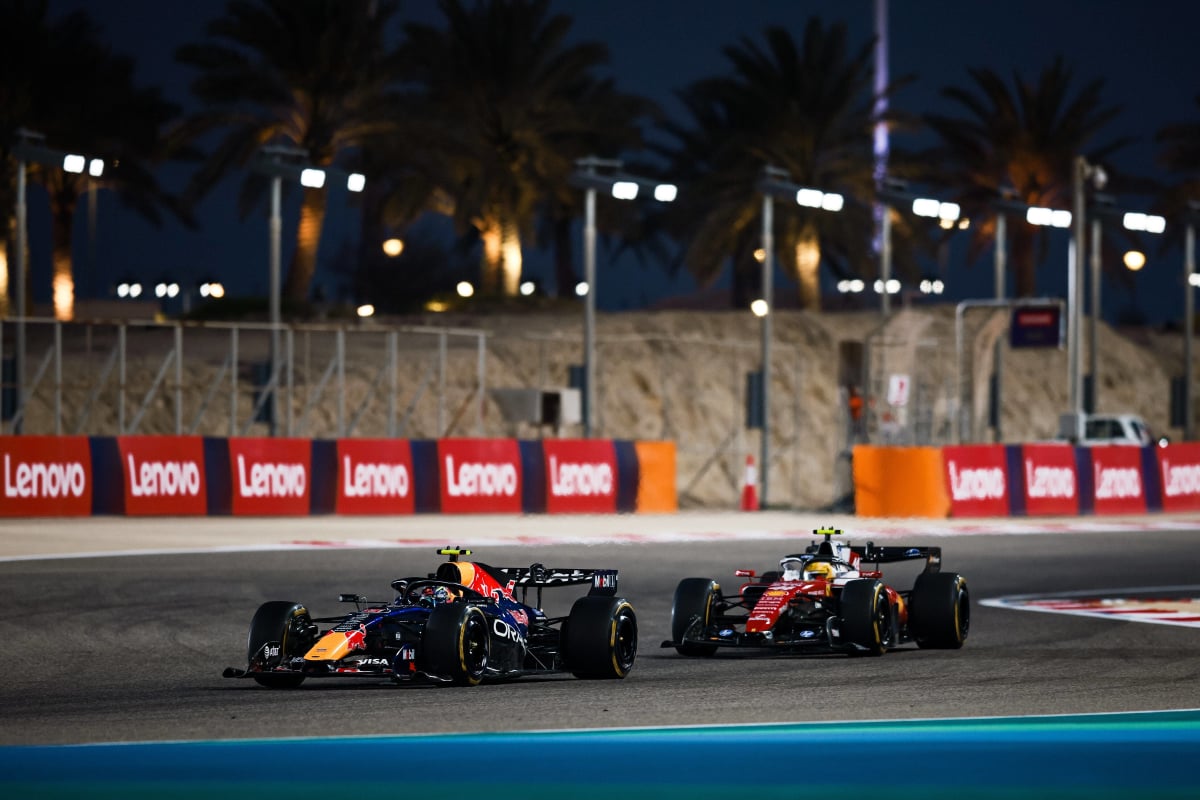
Now, during the pre-season testing session at the Bahrain International Circuit, fans got a glimpse of how this extra energy can help drivers in their overtaking procedures, and it's safe to say that X users were less than impressed.
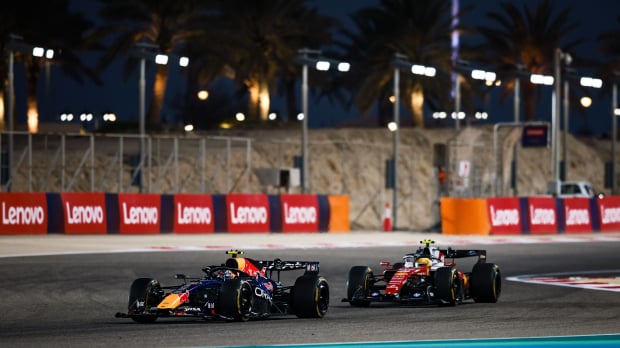
A video circling on the platform shows Verstappen trying to make his way past Cadillac's Valtteri Bottas down the home straight of the Bahrain International Circuit.
"They promised us better overtaking in 2026. Instead, we got this: Temu batteries," one social media user bemoaned, while another said: "It’s Formula E, but worse."
Another fan said: "F1 went from the pinnacle of motorsport to needing a charging cable mid race."
However, some fans were much more positive about the video, with one saying: "Actually isn't this the sort of overtake we all want? Enough to get alongside but still need to do it on the brakes, instead of a simple breeze past like we had with DRS."
Another pointed to the fact that Verstappen may not have utilised the extra energy well during the manoeuvre, saying: "This looks like battery mismanagement when overtaking (it’s testing after all) as opposed to an issue. Drivers will utilise the slipstream, save relatively more battery and deploy it later down the straight when the opponent has run out of battery to overtake."
READ MORE: New FIA rule that may stop one team dominating F1 2026 revealed
Will overtaking be easier in 2026?
The whole idea of making the cars lighter, narrower and smaller in 2026 was to try and ensure that we have more overtaking opportunities at narrow street circuits, which are becoming more and more common on the F1 calendar.
But don't suddenly expect to see the Monaco Grand Prix turn into the most thrilling event on the calendar. The cars are still much heavier and bigger than they were 30 or 40 years ago, and the eradication of DRS could go one of two ways.
The hope is that we will no longer see so-called 'DRS trains' forming, where a number of drivers are all stuck in that one-second range of each other, all benefiting from DRS from the car in front, and that there will be more variance in the way in which drivers utilise their 'boost button' and overtake mode.
But time will tell whether this actually makes overtaking easier, or whether drivers are finding it too hard to keep up a good enough level of battery to be able to make it work, as showcased by Verstappen in testing.
READ MORE: Christian Horner F1 return 'could happen quickly'
Related
More F1 news
Full News Feed




Recommended by the editors





Races
-
 Grand Prix of Australia 2026
-
 Grand Prix of China 2026
-
 Grand Prix of Japan 2026
-
 Grand Prix of Bahrain 2026
-
 Saudi Arabian Grand Prix 2026
-
 Miami Grand Prix 2026
-
 Grand Prix du Canada 2026
-
 Grand Prix De Monaco 2026
-
 Gran Premio de Barcelona-Catalunya 2026
-
 Grand Prix of Austria 2026
-
 Grand Prix of Great Britain 2026
-
 Grand Prix of Belgium 2026
-
 Grand Prix of Hungary 2026
-
 Dutch Grand Prix 2026
-
 Grand Prix of Italy 2026
-
Gran Premio de España 2026
-
 Grand Prix of Azerbaijan 2026
-
 Grand Prix of Singapore 2026
-
Grand Prix of the United States 2026
-
 Gran Premio de la Ciudad de Mexico 2026
-
 Grande Prêmio de São Paulo 2026
-
Las Vegas Grand Prix 2026
-
 Qatar Grand Prix 2026
-
 Grand Prix of Abu Dhabi 2026
Follow us on your favorite social media channel
Editorial & corporate information

Avenue HQ
10–12 East Parade
Leeds
LS1 2BH
United Kingdom Regional correspondence
View contact page